Sign up with Google
 Sign in with Zoho
.webp)
The OTT industry is booming, but one of the most critical decisions for any streaming business is choosing between native apps and hybrid apps. While many companies focus on development speed and initial costs, the real difference lies in long-term performance, scalability, and ROI.
If you're planning to launch or scale an OTT platform, understanding the true cost behind each approach is essential.
What Are Native and Hybrid Apps?
- Native apps are built specifically for platforms like iOS, Android, or Smart TVs using platform-specific technologies.
- Hybrid apps use a single codebase (usually web technologies) that works across multiple platforms.
At first glance, hybrid apps seem more affordable—but OTT platforms have unique requirements that change the equation.
1. Development Cost: Short-Term Savings vs Long-Term Investment
Hybrid apps are attractive because they require:
- One codebase
- Smaller development teams
- Faster launch timelines
This makes them ideal for startups testing an OTT idea.
Native apps, however:
- Require separate development for each platform
- Involve higher upfront investment
👉 Reality: Hybrid apps are cheaper initially, but OTT businesses rarely stay in the “early stage” for long.
2. Performance Cost: The Hidden Revenue Factor
OTT platforms depend heavily on:
- Smooth video playback
- Fast UI transitions
- Minimal buffering
Native apps deliver:
- Better performance optimization
- Seamless streaming experience
Hybrid apps often struggle with:
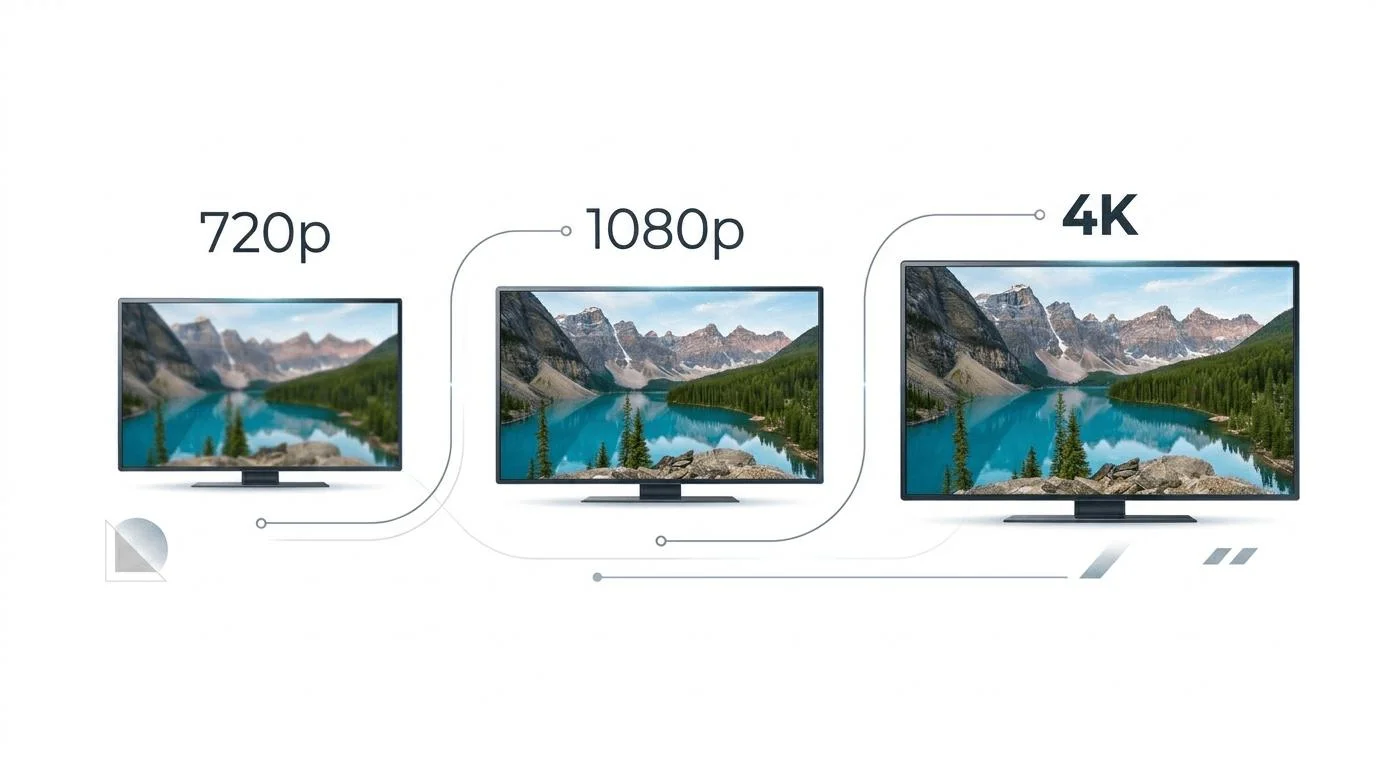
- High-resolution video playback
- Real-time responsiveness
👉 Poor performance leads to:
- Higher user drop-offs
- Lower subscription retention
This is where hidden costs begin to appear.
3. Maintenance Cost: Simplicity vs Stability
Hybrid apps:
- Easier to update (single codebase)
- But rely heavily on plugins and third-party tools
Native apps:
- Require separate updates
- But offer better long-term stability
👉 Over time, hybrid apps can accumulate technical debt, increasing maintenance complexity and cost.
4. Scalability Cost: Growing Without Breaking
As your OTT platform grows, you’ll need to support:
- Large user bases
- Live streaming events
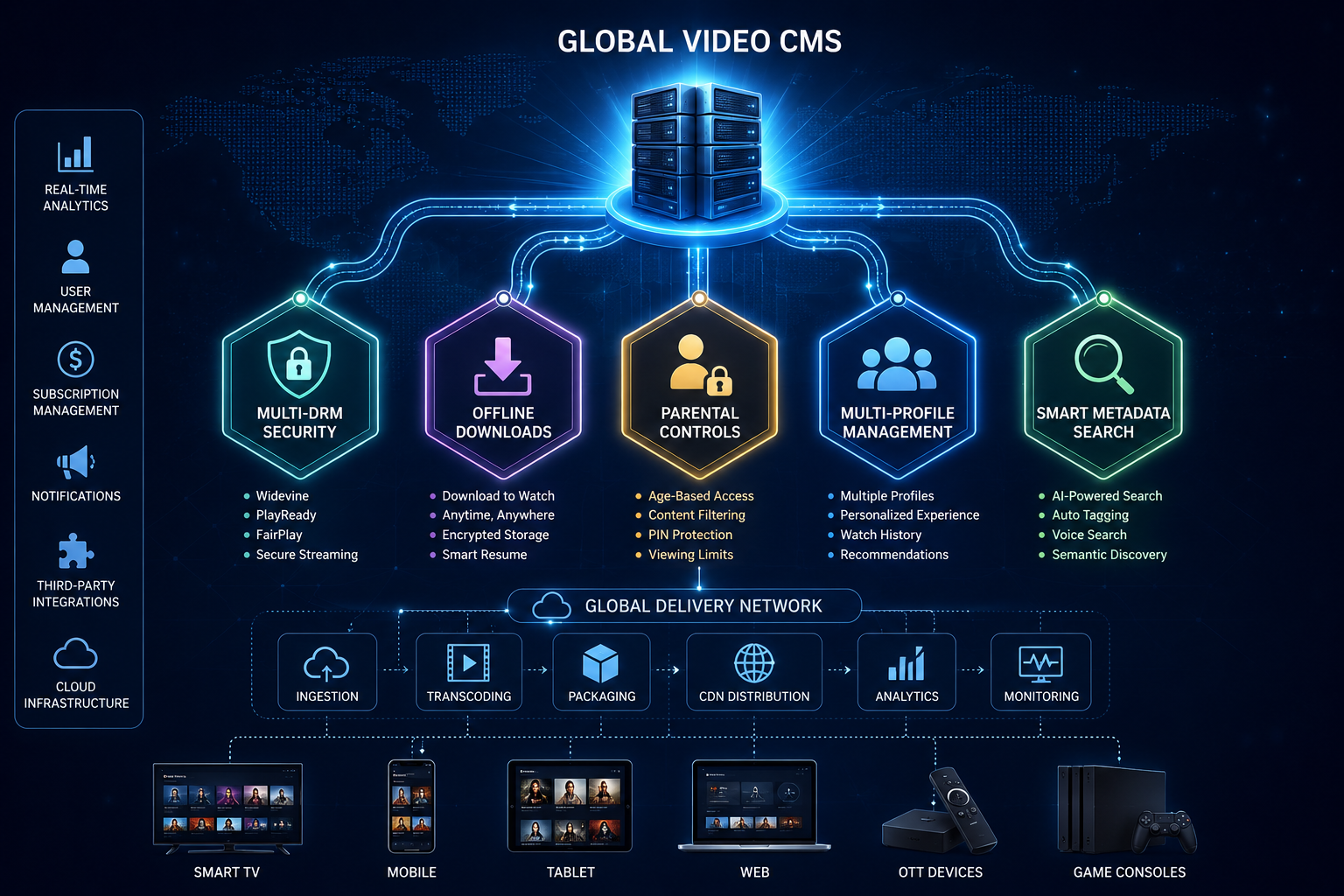
- Multiple devices (mobile, TV, tablets)
Native apps:
- Scale more efficiently
- Handle performance-heavy workloads
Hybrid apps:
- May require rework as complexity increases
👉 Scaling a hybrid app often leads to unexpected redevelopment costs.
5. Multi-Device Cost (Smart TVs & Beyond)
OTT platforms are not just mobile apps anymore.
Native apps:
- Provide better support for Smart TVs
- Enable advanced features like DRM and offline viewing
Hybrid apps:
- Limited hardware integration
- Not ideal for TV ecosystems
👉 For serious OTT expansion, native apps are often unavoidable.
6. Time-to-Market vs Time-to-Profit
Hybrid apps:
- Faster to launch
- Ideal for MVPs
Native apps:
- Slower to build
- Better for long-term revenue growth
👉 Many OTT businesses start hybrid—but later switch to native, adding migration costs.
7. The Real Cost Difference
8. Which One Should You Choose?
Choose Hybrid Apps if:
- You are testing an idea (MVP)
- You have limited budget
- You need fast market entry
Choose Native Apps if:
- You want premium user experience
- You plan multi-device expansion
- You aim for long-term growth
For a deeper breakdown specifically focused on OTT platforms, this detailed comparison explains the performance and cost implications in more detail: 👉 https://enveu.com/compare/native-apps-vs-hybrid-apps
Final Thoughts
The decision between native and hybrid apps is not just about development—it’s about business strategy.
- Hybrid apps reduce initial cost
- Native apps maximize long-term profit
For OTT platforms, where performance directly impacts revenue, investing in the right technology early can save significant costs later.