 Sign up with Google
 Sign in with Zoho
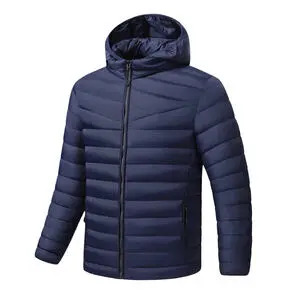
Puffer jackets have become an essential part of modern outerwear collections. From extreme winter sports to everyday urban fashion, they offer insulation without excessive bulk. However, one of the most important decisions in puffer jacket production is choosing the right filling material.
The debate between down and synthetic insulation continues to shape the outerwear industry. For brands working with experienced clothing manufacturers, understanding the strengths and limitations of each filling type is crucial for product positioning and customer satisfaction.

This comprehensive guide explores the differences between down and synthetic fillings in puffer jackets to help brands make informed manufacturing decisions.
Understanding How Puffer Jacket Insulation Works
Puffer jackets rely on trapped air to retain heat. The filling material creates small air pockets that capture body warmth and prevent cold air from penetrating. The effectiveness of insulation depends on:
- Loft (how much the filling expands)
- Weight
- Moisture resistance
- Durability
- Compressibility
Both down and synthetic materials achieve insulation differently, making each suitable for specific applications.
What Is Down Insulation?
Down insulation comes from the soft under-feathers of ducks or geese. It is known for its exceptional warmth-to-weight ratio.
Advantages of Down Filling
1. Superior Warmth-to-Weight Ratio
Down offers excellent insulation while remaining lightweight. High fill-power down traps more air, delivering warmth without adding significant bulk.
Many premium outerwear collections produced by professional sportswear manufacturers use down for high-performance winter jackets.
2. Excellent Compressibility
Down jackets compress easily, making them ideal for travel and outdoor activities where packability matters.
3. Long Lifespan
With proper care, down jackets can maintain loft and warmth for many years.
Limitations of Down Filling
Despite its benefits, down has some drawbacks:
1. Reduced Performance When Wet
Down loses insulating power when exposed to moisture. Wet down collapses and fails to trap heat effectively unless treated with a water-resistant coating.
2. Higher Cost
Natural down is typically more expensive than synthetic alternatives, increasing production costs.
3. Ethical and Sustainability Concerns
Some consumers question the sourcing of natural down, making ethical certification important.
Brands collaborating with responsible clothing manufacturers often ensure proper sourcing and compliance with animal welfare standards.
What Is Synthetic Insulation?
Synthetic insulation is made from polyester fibers engineered to mimic the structure of down. These fibers create air pockets similar to natural down but offer different performance characteristics.
Advantages of Synthetic Filling
1. Better Moisture Resistance
Synthetic insulation retains warmth even when wet. This makes it ideal for damp or rainy climates.
Many performance-focused products developed by an activewear clothing manufacturer rely on synthetic fills for outdoor and training environments.
2. Lower Cost
Synthetic insulation is generally more affordable, making it attractive for mass-market production.
3. Hypoallergenic Properties
Synthetic filling is suitable for customers with allergies to feathers.
4. Easier Maintenance
Synthetic jackets are often machine washable and require less delicate care compared to down.
Limitations of Synthetic Filling
Despite its advantages, synthetic insulation has certain drawbacks:
1. Slightly Heavier
Synthetic insulation typically weighs more than high-quality down for the same level of warmth.
2. Reduced Compressibility
Synthetic jackets may not pack as compactly as down-filled jackets.
3. Shorter Lifespan
Over time, synthetic fibers can lose loft faster than premium down.
Comparing Performance Factors
When choosing between down and synthetic filling, brands must evaluate key performance factors.
Warmth
Down generally provides superior warmth for extremely cold conditions. For alpine or sub-zero climates, high-fill-power down is often preferred.
However, synthetic insulation performs better in wet environments, making it suitable for unpredictable weather.
Professional sportswear manufacturers often recommend down for extreme cold and synthetic for active outdoor sports.
Weight
Down wins in terms of weight efficiency. It provides high warmth with minimal material. Lightweight travel jackets often feature down filling.
Synthetic insulation, while slightly heavier, still provides competitive warmth for everyday use.
Water Resistance
Synthetic insulation performs better in wet conditions. Down requires water-resistant treatment to maintain functionality in damp climates.
For outdoor-focused brands, working with an experienced jacket manufacturer ensures proper fabric treatments and seam construction to enhance water protection.
Durability
High-quality down can last longer if maintained properly. Synthetic filling may degrade over time, but is often easier to maintain.
Long-term durability depends not only on filling but also on shell fabric quality, stitching precision, and overall construction provided by reliable clothing manufacturers.
Market Positioning: Fashion vs Performance
The choice between down and synthetic insulation also depends on brand positioning.
Performance-Driven Brands
Outdoor and winter sports brands often prefer down for maximum warmth and lightweight performance. However, for training-focused outerwear, synthetic insulation may offer better moisture management.
Many collections developed by a professional activewear clothing manufacturer combine synthetic insulation with technical outer shells for enhanced functionality.
Streetwear and Lifestyle Brands
Fashion-forward puffer jackets often prioritize aesthetics, silhouette, and moderate warmth rather than extreme performance.
A skilled streetwear manufacturer may select synthetic filling for affordability and flexibility in design while maintaining a trendy oversized look.
Sustainability Considerations
Sustainability plays an increasingly important role in manufacturing decisions.
Responsible Down
Certified down ensures ethical sourcing and animal welfare standards.
Recycled Synthetic Insulation
Recycled polyester insulation reduces environmental impact and aligns with eco-conscious brand strategies.
Collaborating with responsible sportswear manufacturers allows brands to integrate sustainable materials into their collections.
Cost Considerations in Manufacturing
Production cost varies significantly between down and synthetic insulation.
Down jackets typically involve:
- Higher raw material cost
- Stricter sourcing requirements
- Specialized handling
Synthetic jackets generally offer:
- Lower material cost
- Simplified manufacturing process
- More affordable retail pricing
An experienced jackets manufacturer can guide brands in balancing performance expectations with budget constraints.
Hybrid Insulation: The Best of Both Worlds?
Some modern puffer jackets combine down and synthetic insulation. For example:
- Down in core areas for warmth
- Synthetic panels in moisture-prone zones
This hybrid approach offers balanced performance and versatility.
Leading clothing manufacturers often recommend hybrid construction for mid-range performance jackets.
Common Mistakes to Avoid
When choosing insulation for puffer jackets, brands should avoid:
- Selecting down without moisture protection
- Using low-quality synthetic fill that flattens quickly
- Ignoring climate-specific requirements
- Overfilling insulation, increasing the bulk unnecessarily
Attention to detail during design and sampling prevents costly production errors.