 Sign up with Google
 Sign in with Zoho

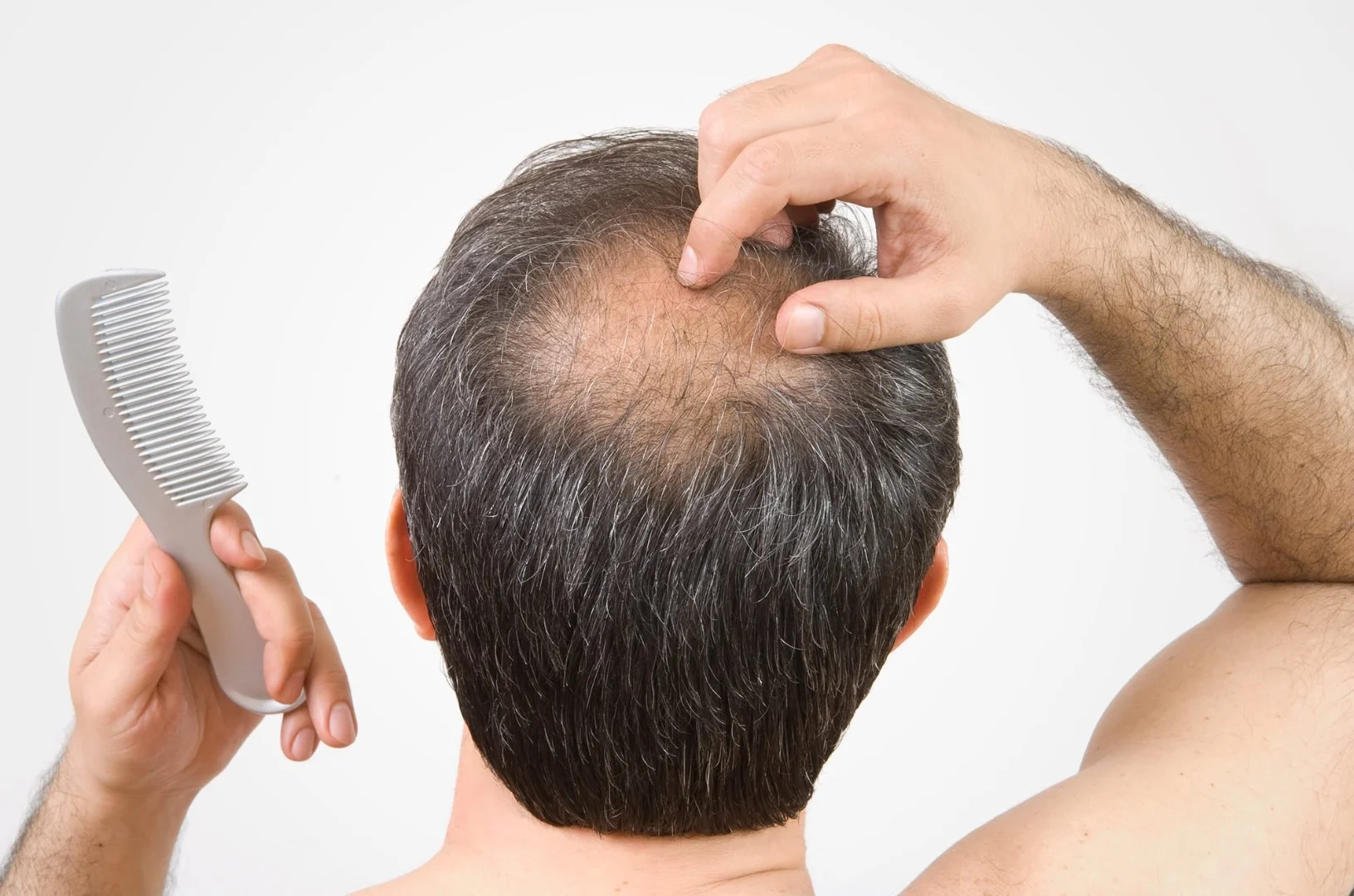
Hair loss is something that affects a lot of people — both men and women. For many, it is not just about looks. It can slowly affect how you feel about yourself, how you present yourself at work, or even how comfortable you feel in social situations. If you have been dealing with thinning hair or bald patches for a while and tried various oils, shampoos, and medicines without much success, you may have started wondering whether a hair transplant is worth considering.
Let us walk you through what a hair transplant really involves, who it is suitable for, and what you can expect from the process — in simple, straightforward terms.
What Exactly Happens in a Hair Transplant?
A hair transplant is a surgical procedure where healthy hair follicles are taken from one area of your scalp — usually the back or sides, where hair tends to be stronger — and carefully placed into the areas that are thinning or bald. Since these relocated follicles come from your own scalp, your body accepts them naturally, and the hair that grows from them behaves just like your original hair.
The entire procedure is done under local anaesthesia, which means you are awake but do not feel pain. Most sessions take anywhere between 4 to 12 hours depending on how many grafts are needed. Patients can usually go home the same day.
Who Should Consider Getting a Hair Transplant?
Not everyone experiencing hair fall needs a hair transplant. However, it is often the most effective long-term solution when other treatments have not worked. You may be a good candidate if:
- You have been experiencing consistent hair loss for a few years and the pattern has become more or less stable
- You have a sufficient donor area (the back or sides of your scalp) with healthy hair
- You are generally in good health and have realistic expectations about results
- Your hair loss is due to genetic reasons, such as male pattern baldness or female pattern hair thinning
- You have scars from an injury or a previous surgery that you want to cover with hair
If you are unsure whether you are a good candidate, the best step is to consult an experienced hair transplant surgeon who can evaluate your scalp, hair density, and loss pattern in person.
FUE vs. FUT — What Is the Difference?
Two of the most commonly used methods for hair transplant surgery are FUE (Follicular Unit Extraction) and FUT (Follicular Unit Transplantation). Here is a simple explanation of both:
FUT involves removing a thin strip of scalp from the donor area. Individual hair follicles are then separated from this strip and transplanted into the recipient area. This method allows a large number of grafts to be transplanted in a single sitting and is a good option for people with significant hair loss.
FUE Hair Transplant in Delhi has become increasingly popular in recent years. In this method, individual follicles are extracted one by one directly from the donor area using a tiny tool, leaving very small circular marks that are barely visible once healed. There is no long linear scar, and recovery tends to be faster. It is also a good fit for people who like to keep their hair short.
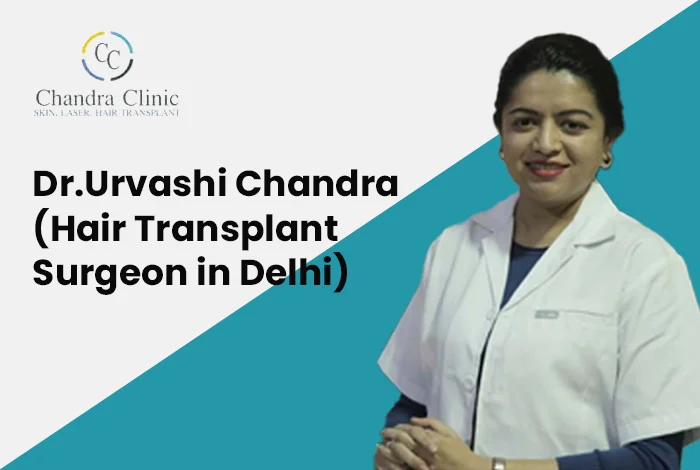
At Chandra Hair Clinic, Dr. Urvashi Chandra offers both FUE and FUT, along with their signature Bio-IPT technique, which is a more advanced approach combining the benefits of precision extraction with better graft survival rates. The right method for you will depend on your specific hair loss condition, your scalp health, and your personal preferences.
What Does Recovery Look Like?
One of the biggest concerns people have before going ahead with a hair transplant is the recovery. The good news is that for most patients, it is much more manageable than expected.
Right after the procedure, you will be given a saline spray to apply over the transplanted area every 15 minutes for the first three days. You may notice some mild redness or scabbing, which is completely normal and settles within a week or so.
Most patients return to work or their daily routine within just a day or two. Strenuous activities like heavy gym workouts should be avoided for about 10 days. After 10 days, a minoxidil solution is usually recommended to support faster and denser hair growth.
The transplanted hair may shed in the first few weeks — this is completely normal and expected. New hair growth usually starts becoming visible around 3 to 6 months, with full results typically seen by the 12-month mark. The results are permanent and look natural.
Why Choosing the Right Surgeon Matters
When it comes to Hair Transplant Surgery in Delhi, the outcome depends heavily on the skill and experience of the surgeon performing it. A poorly done transplant can look unnatural, have uneven hairlines, or result in poor graft survival.
Dr. Urvashi Chandra at Chandra Hair Clinic has over 14 years of experience in hair restoration and holds a Diplomate certification from the American Board of Hair Restoration Surgery. She personally performs every procedure, ensuring that each patient gets the care and precision they deserve. The clinic maintains high sterilisation standards and provides thorough post-surgery follow-up, including monthly progress checks via WhatsApp or email for patients who live outside Delhi.
Before you finalise your decision, it is always wise to review actual before-and-after results from real patients, understand the technique your surgeon recommends, and ask questions about aftercare. A good surgeon will always take the time to answer your concerns honestly.
Final Thoughts
Hair loss can be distressing, but it is also treatable. A hair transplant, when done correctly by an experienced surgeon, can genuinely change how you look and feel. Whether you are dealing with a receding hairline, a bald patch at the crown, or overall thinning, there is a good chance that with the right evaluation, a solution exists for you.
If you are based in Delhi or are considering travelling for the procedure, Chandra Hair Clinic at Pitampura, Delhi is a trusted name with a long track record of successful results. You can learn more about the procedures offered and book an appointment through their website.
Take the first step — a proper evaluation from a qualified surgeon can tell you exactly where you stand and what your options are.