
 Sign up with Google
 Sign in with Zoho

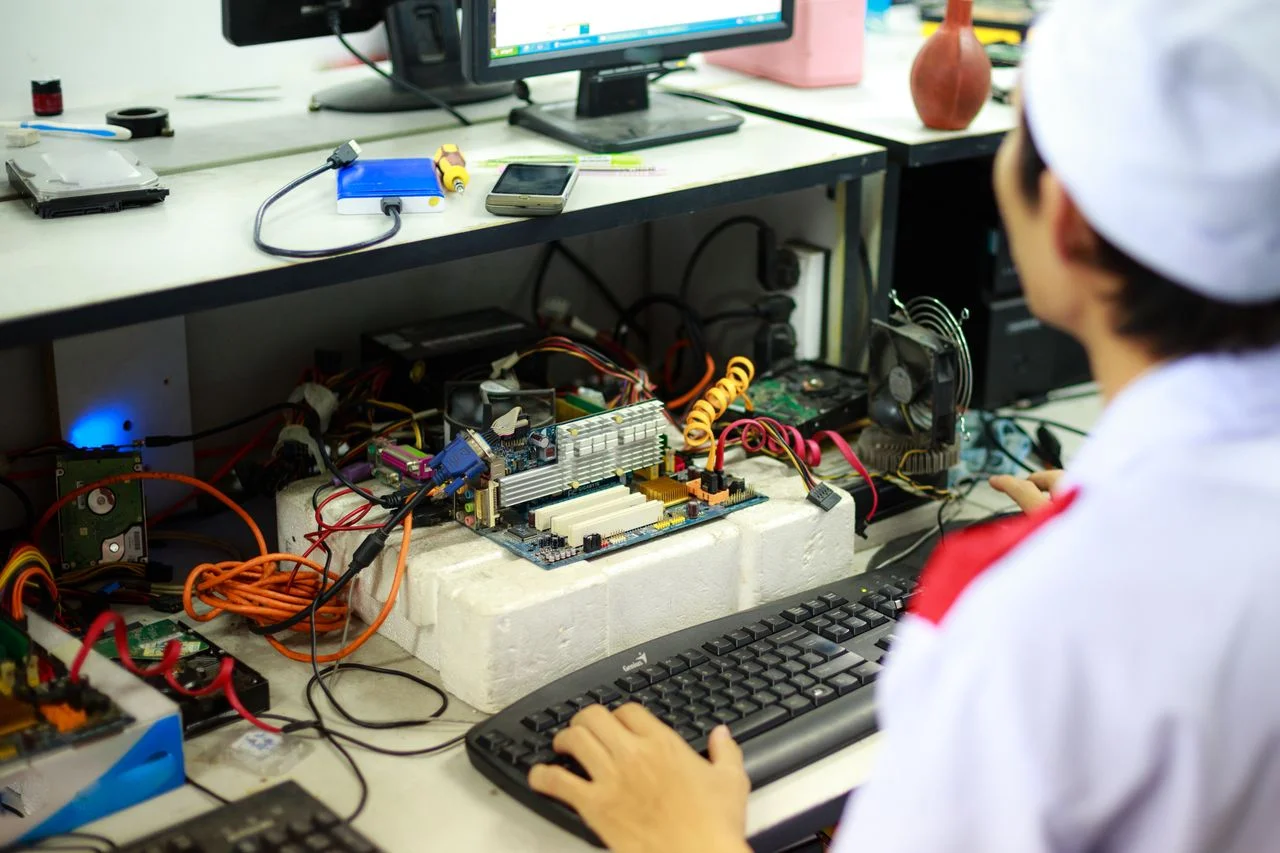
When your organization faces a computational challenge that standard software and hardware cannot address, you enter a different realm of technology procurement. Off-the-shelf solutions, while convenient and cost-effective for many businesses, sometimes fall short when your requirements involve specialized workflows, extreme performance demands, or integration with legacy systems. Purpose-built computing solutions represent a deliberate engineering approach to solve problems that mass-market technology was never designed to handle. Understanding what these customized systems entail helps you recognize when your organization has outgrown generic options. The decision to pursue custom computing infrastructure carries significant implications for your budget, timeline, and long-term operational efficiency.
When Standard Products Become Inadequate
Your business may reach a point where commercial off-the-shelf technology creates bottlenecks rather than solutions. This occurs across numerous industries and scenarios, from specialized manufacturing environments to advanced research institutions. Financial institutions processing millions of transactions per second with microsecond-level timing requirements, for example, cannot rely on consumer-grade hardware or generic enterprise software. Similarly, organizations managing massive sensor networks, performing complex scientific simulations, or handling proprietary data formats often find that existing products lack the necessary capabilities or security features. The fundamental issue is that mass-market solutions optimize for broad appeal and general use cases, which means they make compromises in areas critical to your specific operation. When those compromises directly undermine your performance, security, or operational goals, purpose-built solutions become not just preferable but necessary.
Key Characteristics of Purpose-Built Computing Systems
Purpose-built computing solutions share several defining characteristics that distinguish them from conventional technology purchases. These systems are engineered from the ground up with your exact operational requirements in mind, rather than modified to fit your needs within the constraints of existing product limitations. The hardware components themselves may be selected or custom-designed to handle your specific workloads, whether that means specialized processors, custom memory configurations, or unique cooling and power delivery systems. At the software level, your purpose-built system operates with code written specifically for your environment, eliminating unnecessary features and adding precisely the functionality your operations demand. For organizations that need hardware and firmware designed together around demanding real-world conditions, custom embedded systems enable engineers to specify everything from board-level design to software integration so that every component serves a defined operational purpose.
The Development and Implementation Process
Creating a purpose-built computing solution requires a collaborative engineering process quite different from selecting and implementing standard software or hardware. Your team works with specialized engineers who conduct thorough assessments of your current systems, performance bottlenecks, security concerns, and growth projections. This discovery phase typically involves detailed documentation of workflows, data flows, performance metrics, and failure points within your existing infrastructure. Engineers then design a solution architecture that addresses each identified requirement while maintaining feasibility within your timeline and budget constraints. The development phase involves custom hardware procurement or fabrication, bespoke software development, rigorous testing across multiple scenarios, and iterative refinement based on real-world performance data. Unlike off-the-shelf deployments that follow standard installation procedures, purpose-built systems require careful orchestration and often demand specialized training for your operational teams. Co-design approaches that align hardware and software development from the outset are increasingly essential for meeting the performance and reliability demands of specialized computing environments.
Long-Term Value and Strategic Advantages
While purpose-built computing solutions require greater upfront investment than commercial alternatives, the long-term value often justifies the expense for organizations with genuine specialization requirements. Your custom system grows with your business through planned scalability built into the original architecture rather than retrofitted to aging infrastructure. Performance characteristics remain optimized for your actual workloads rather than degrading as your organization pushes the boundaries of what generic systems were designed to handle. When you encounter operational challenges unique to your industry or business model, your purpose-built infrastructure was specifically engineered to address them, whereas standard solutions may require expensive workarounds or full replacements. The competitive advantage of having technology precisely matched to your operations creates efficiency gains that compound over years of use. Additionally, a system designed specifically for your requirements reduces technical debt and the need for constant patching or replacing components that were never suited to your use case.
Conclusion
Purpose-built computing solutions represent a recognition that not all technological challenges yield to one-size-fits-all approaches. When your organization's computational needs exceed what available commercial products can deliver, custom engineering becomes a strategic investment rather than an unnecessary expense. The decision to pursue this path should follow a clear assessment of your current limitations, growth projections, and competitive requirements. By understanding what purpose-built systems entail and how they differ fundamentally from standard technology, you can make informed decisions about when customization serves your business interests. Organizations that require specialized computing capabilities benefit from working with experienced engineers who can translate operational requirements into technical specifications and deliver systems that perform precisely as needed.