Sign up with Google
 Sign in with Zoho

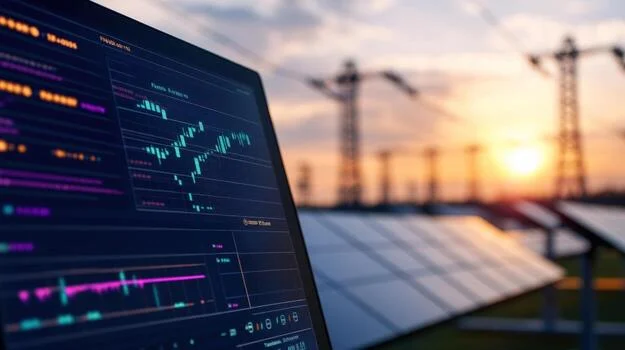
Energy powers almost every part of modern life. From turning on the lights in the morning to running factories, transportation networks, and digital services. When energy supplies tighten, prices rise, industries affect consumers and governments alike. On the other hand, stable energy availability can support economic growth, job creation, and business expansion.
In today's fast-moving world, even a small disruption in one region can create ripple effects across international markets. This growing interconnectedness has made energy trading more important than ever. In this article, we will explore why energy trading continues to gain importance worldwide, how oil and natural gas influence global economies and the role of energy commodities in market stability.
Understanding the Global Energy Market
The global energy market is unique because it connects producers, suppliers, businesses, and consumers across different countries and regions. In simple terms, when energy prices change, the effects often ripple through the wider economy. Several factors influence market movements.
- Supply and demand remain the biggest drivers, but production levels, weather conditions, government policies, and technological developments also play an important role. For example, a harsh winter can increase demand for heating fuels, while new energy projects can improve supply and help stabilize prices.
- Geopolitical events often add another layer of complexity. Political tensions, trade restrictions, and disruptions in major producing regions can quickly affect energy availability and pricing.
- At the same time, strong economic growth usually increases energy consumption as industries expand, and consumers spend more.
- Growing consumer demand for electricity, transportation, and modern infrastructure continues to shape market trends around the world.
Today, the market is more interconnected than ever before. A supply issue in one region can influence prices and availability thousands of miles away. Advances in technology, international trade networks, and global energy infrastructure have brought Energy Trading Markets closer together.
Key Factors Driving Growth in Energy Markets Worldwide
Several factors are fueling the growth of energy markets worldwide, making them more dynamic and interconnected than ever before.
- The development of technology is one of the main forces. Modern infrastructure, digital platforms, and real-time data tools have transformed how market participants monitor prices, track supply chains, and respond to changing conditions.
- Simultaneously, the industry is being propelled forward by the increasing demand for energy worldwide. As the world's population grows and industries expand, the need for reliable energy keeps increasing.
- Developing economies are consuming more electricity, fuel, and other energy resources to support urbanization, manufacturing, and economic growth. Simply put, more people and more businesses mean greater demand for energy.
- Another key factor is the ongoing energy transition. Governments, companies, and consumers are placing greater emphasis on sustainability and cleaner energy solutions.
- Renewable sources such as solar and wind power are gaining momentum, yet traditional resources like oil and natural gas still play a vital role in meeting global energy needs.
Rather than replacing one another overnight, conventional and alternative energy sources currently work side by side to keep the lights on while supporting long-term sustainability goals. This balance is shaping the future of the global energy landscape and creating new opportunities across the sector.
The Expanding Role of Oil Trading in Modern Economies
Oil continues to be one of the world's most valuable resources, from the fuel used in vehicles to the raw materials needed for countless products; oil remains deeply connected to daily life and economic activity. As a result, oil trading plays a critical role in moving this essential resource.
International commerce depends heavily on the smooth flow of oil between producers and consumers. When oil supplies move efficiently through global supply chains, businesses can maintain operations; transportation networks can function without disruption, and economies can continue to grow. Following factors influence prices:
- Supply Levels
- Demand Trends
- Geopolitical Events
- Production decisions changes in economic conditions
Even a small disruption in supply can create a ripple effect across markets, leading to price fluctuations that affect businesses and consumers alike. This is why market participants closely monitor developments in major oil-producing regions. When economies expand, industries produce more goods, transportation activity increases, and energy consumption rises.
Higher demand for oil often reflects stronger economic performance, while lower demand can signal slower growth. Oil is still at the core of many economic systems and continues to influence market activity worldwide, despite the ongoing changes in the global energy landscape.
How Natural Gas Trading Is Shaping the Future of Energy?
Natural gas is an important part of the global energy mix. Many regions now view it as a practical bridge between traditional fuels and renewable energy because it produces fewer emissions than coal while still delivering consistent power.
It also plays a key role in strengthening energy security. When one region faces supply shortages or unexpected disruptions, international energy markets help redirect resources where they are needed most. In simple terms, it helps keep the lights on when demand rises or supply chains come under pressure. At the same time, the sector faces several challenges:
- Price Volatility
- Geopolitical Tensions
- Infrastructure Limitations
- Evolving Environmental Regulations
can create uncertainty for market participants. However, these challenges also bring opportunities to the public. Investments in liquefied natural gas (LNG), advanced storage facilities, and energy infrastructure are opening new pathways for growth.