 Sign up with Google
 Sign in with Zoho

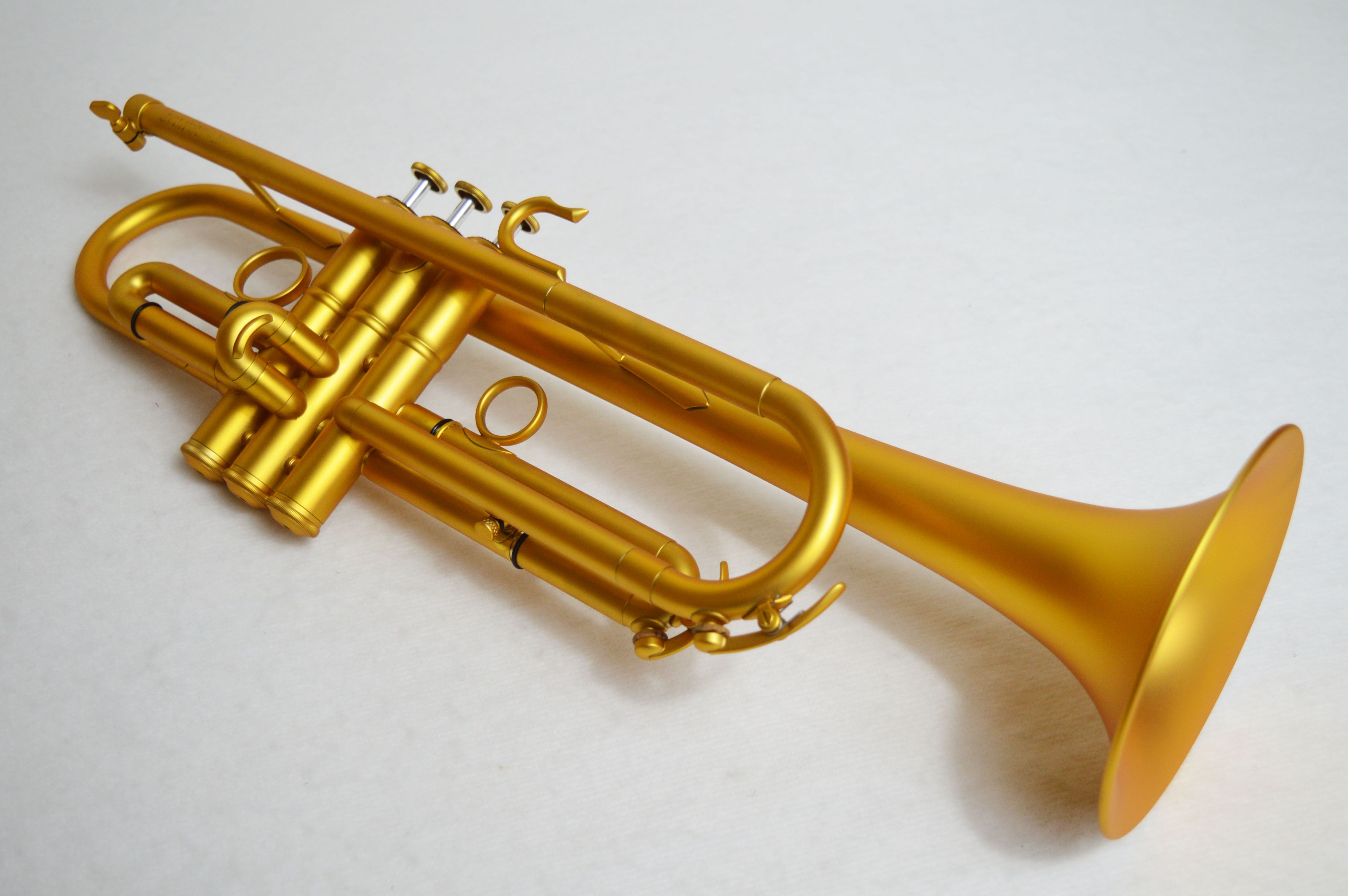
🎺Brass musical instruments have played a vital role in music for centuries, known for their bold tones, versatility, and striking appearance. Made primarily from brass and played by buzzing the lips into a mouthpiece, these instruments produce rich, resonant sounds that can be both powerful and expressive. From orchestras and jazz bands to marching bands and solo performances, brass instruments continue to captivate musicians and audiences alike.
The brass family includes a variety of instruments, each offering a unique tone and role in music. Popular examples include the trumpet, trombone, tuba, and French horn. The trumpet is known for its bright and piercing sound, often leading melodies. The trombone stands out with its slide mechanism, allowing smooth transitions between notes. The tuba provides deep, grounding bass tones, while the French horn delivers a warm, mellow sound that blends beautifully in ensembles.
🎶 How Brass Instruments Work
Brass instruments produce sound through vibration. When a player blows into the mouthpiece, their lips vibrate, creating sound waves that travel through the instrument. The pitch is controlled by changing lip tension and adjusting valves or slides, which alter the length of the air column. This simple yet effective mechanism allows for a wide range of notes and dynamic expression.
🛠 Types and Uses of Brass Instruments
Brass instruments are used in many musical settings, including:
- Orchestras for classical compositions
- Jazz bands for improvisation and rhythm
- Marching bands for bold, outdoor performances
- Military bands for ceremonial music
- Solo performances showcasing technical skill
Their adaptability makes them essential in both traditional and modern music genres.
🔊 Why Choose Brass Musical Instruments
One of the biggest advantages of brass instruments is their powerful projection. They can easily fill large spaces with sound, making them ideal for performances. They are also highly expressive, capable of producing both soft, lyrical tones and loud, dramatic effects. Additionally, brass instruments are durable and, with proper care, can last for many years.
✅ Care and Maintenance
To keep brass instruments in excellent condition, regular cleaning is essential. This includes wiping the exterior, cleaning the mouthpiece, and occasionally flushing the instrument to remove buildup. Proper storage and handling also help maintain sound quality and longevity.
🎼 A Timeless Musical Choice
Brass musical instruments continue to inspire musicians of all skill levels. Whether you’re a beginner learning your first notes or a professional performing on stage, these instruments offer a rewarding musical experience. Their powerful sound, versatility, and classic appeal ensure they remain a cornerstone of music across cultures and generations.