
 Sign up with Google
 Sign in with Zoho
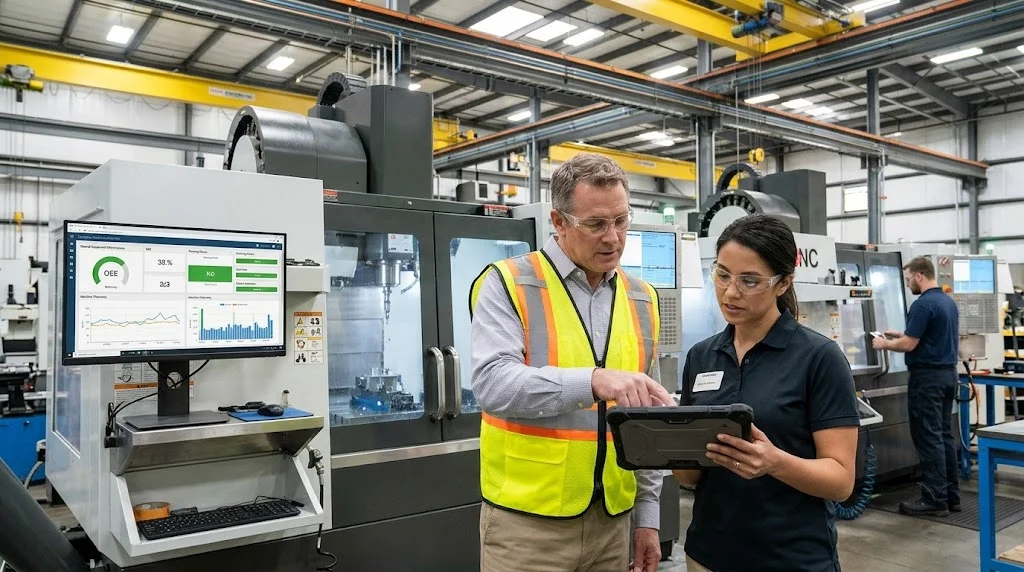
Digital transformation consulting services and solutions represent the structured technical methodologies, software architectures, and integration workflows that modernize manufacturing facilities into data-driven connected plants. Rather than replacing entire production lines, these solutions connect legacy industrial machinery, operational sensors, and enterprise databases into unified networks that track productivity, predict mechanical failures, and optimize asset utilization in real time.
For plant managers and manufacturing directors operating in competitive North American industrial markets, shifting toward a connected factory model is no longer about novelty. It is a necessary operating discipline to preserve production margins and satisfy unpredictable supply chains.
Overcoming Pilot Purgatory in Industry 4.0
Many manufacturing facilities begin their modernization efforts by deploying sensors on a single computer numerical control (CNC) mill or packaging cell. The pilot typically succeeds in isolation: telemetry feeds a local dashboard, and engineers celebrate the live charts.
However, when leadership attempts to expand this setup across forty mixed-generation machines spread over two facilities, the project abruptly stalls. This common standstill is known across manufacturing as pilot purgatory.
Initiatives fail to scale because industrial floors are heterogeneous. Facilities contain machines from different decades using proprietary programmable logic controller (PLC) protocols, unstandardized tag data, and isolated network drops.
Without an architectural plan to standardize data structures, plant teams end up building fragile point-to-point connections that break with every software patch or machinery reconfiguration.
The Three-Tier Architecture of a Modern Connected Factory
Converting a traditional facility into an intelligent operating environment requires an intentional data pipeline. Modern smart plants organize their digital infrastructure across three distinct functional tiers:
This multi-layer architecture separates machine control from business reporting. Factory-floor automation continues to execute safely at the edge, while performance telemetry streams upstream without adding network latency to critical machine interlocks.
Deploying ThingWorx Manufacturing Apps for Shop-Floor Visibility
Extracting raw machine signals is only half the battle; line operators, maintenance technicians, and shift supervisors need contextual information to act quickly.
Configurable industrial software suites, including ThingWorx manufacturing apps, address this challenge by providing pre-built application modules specifically designed for production visibility.
These modular applications convert machine telemetry into practical floor tools:
- Real-Time Asset Monitoring: Displays operating states, temperatures, and alert histories across all connected cells on simple operator screens.
- Overall Equipment Effectiveness (OEE) Tracking: Automatically categorizes downtime reasons rather than relying on operators to fill out manual shift logs at the end of the day.
- Standardized Digital Work Instructions: Delivers context-sensitive assembly documentation to line workstations, ensuring operators build according to the latest engineering revisions.
- Closed-Loop Maintenance Alerts: Detects when machine vibration or power draw crosses acceptable limits and automatically routes work orders to maintenance technicians before parts break.
By deploying purpose-built manufacturing apps rather than building custom web applications from scratch, facilities decrease deployment timelines from years to weeks.
Evaluating Brownfield Machinery Readiness
Most operational plants cannot afford to scrap functioning capital equipment simply to acquire native cloud-connected machinery. Successful initiatives rely on auditing existing assets to determine connection methods:
- Tier A (Modern Native Assets): Machines under five years old equipped with native industrial Ethernet ports and built-in OPC UA servers. These require straightforward network configuration and address mapping.
- Tier B (Legacy Automated Assets): Equipment running older PLCs with serial interfaces (RS-232, RS-485) or older industrial fieldbuses. These require secondary edge gateway modules or protocol converters to bridge signals into local networks.
- Tier C (Electromechanical Legacy Assets): Older presses and manual stamping stations without computerized controls. These require bolt-on current transducers, vibration sensors, and simple relay monitors to register basic cycle counts and run hours.
Why Internal Teams Rely on Specialized Consulting Solutions
While in-house IT departments understand corporate networks and plant engineers understand mechanical tolerances, neither group typically possesses the hybrid skillset needed to bridge the operational technology (OT) divide. IT professionals may not understand industrial safety interlocks or serial communication timeouts, while automation engineers rarely have the bandwidth to configure cloud databases and secure API endpoints.
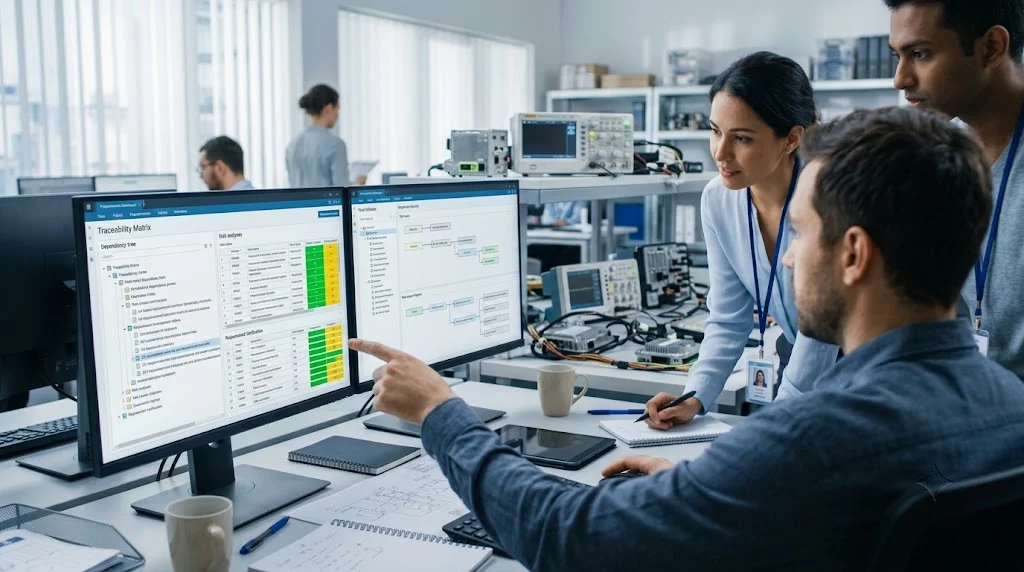
Engaging experienced external partners closes this technical gap. Implementing industrial platforms requires deep domain knowledge in network security, PLC protocols, and platform architecture. Specialized teams help facilities evaluate their readiness and deploy digital transformation consulting services and solutions that unite brownfield hardware with enterprise analytics without interrupting daily plant schedules.
A Phased Implementation Roadmap for Plant Leaders
To maintain operational continuity, factory transformation should proceed in structured phases:
- Establish the Data Foundation: Standardize naming conventions and machine tag hierarchies across all product lines before writing software code.
- Pilot a High-Impact Bottleneck: Connect three to five critical machines on a known bottleneck line to establish clear baselines for downtime and cycle variances.
- Roll Out Operator-Centric Tools: Introduce role-specific interfaces on the plant floor so production staff directly experience the benefits of automated tracking.
- Scale Horizontally Across Lines: Replicate the proven tag templates and software connections across remaining lines, building an integrated plant-wide operational view.
A connected factory is not built overnight through sweeping hardware overhauls. By establishing standardized communication layers, using pre-built industrial apps, and following a methodical deployment plan, manufacturers achieve the visibility required to operate with precision.




 (1) (3).webp)