
 Sign up with Google
 Sign in with Zoho

Software in 2026 doesn't look anything like what we were testing five years ago. Systems are messier, constantly changing, and spread across multiple services. And if you're still maintaining test scripts the way you did back then, well, good luck keeping up.
Why Your Old Test Automation Playbook is Failing
I remember when testing was straightforward. You'd write a script, run it, and call it a day. APIs stayed mostly the same. Data structures were predictable. Deployments happened once a quarter.
Now? Everything's different. Here's what teams are actually struggling with:
- APIs change almost weekly
- Services depend on each other in complicated ways
- Your company wants to release something new multiple times a day
- Your test suite has grown so massive that maintaining it feels like a second job
The honest truth is that manually updating test scripts whenever something changes just doesn't work at scale anymore. It's exhausting, and frankly, it's why a lot of teams are burning out.
The Real Shift Happening Right Now
The smartest teams I know aren't just automating tests anymore. They're building systems that actually think about what they're testing.
Instead of blindly running scripts, modern tools are now:
- Learning what your system actually does, not what you hoped it would do
- Adjusting on the fly when things change
- Figuring out which tests actually matter for your specific release
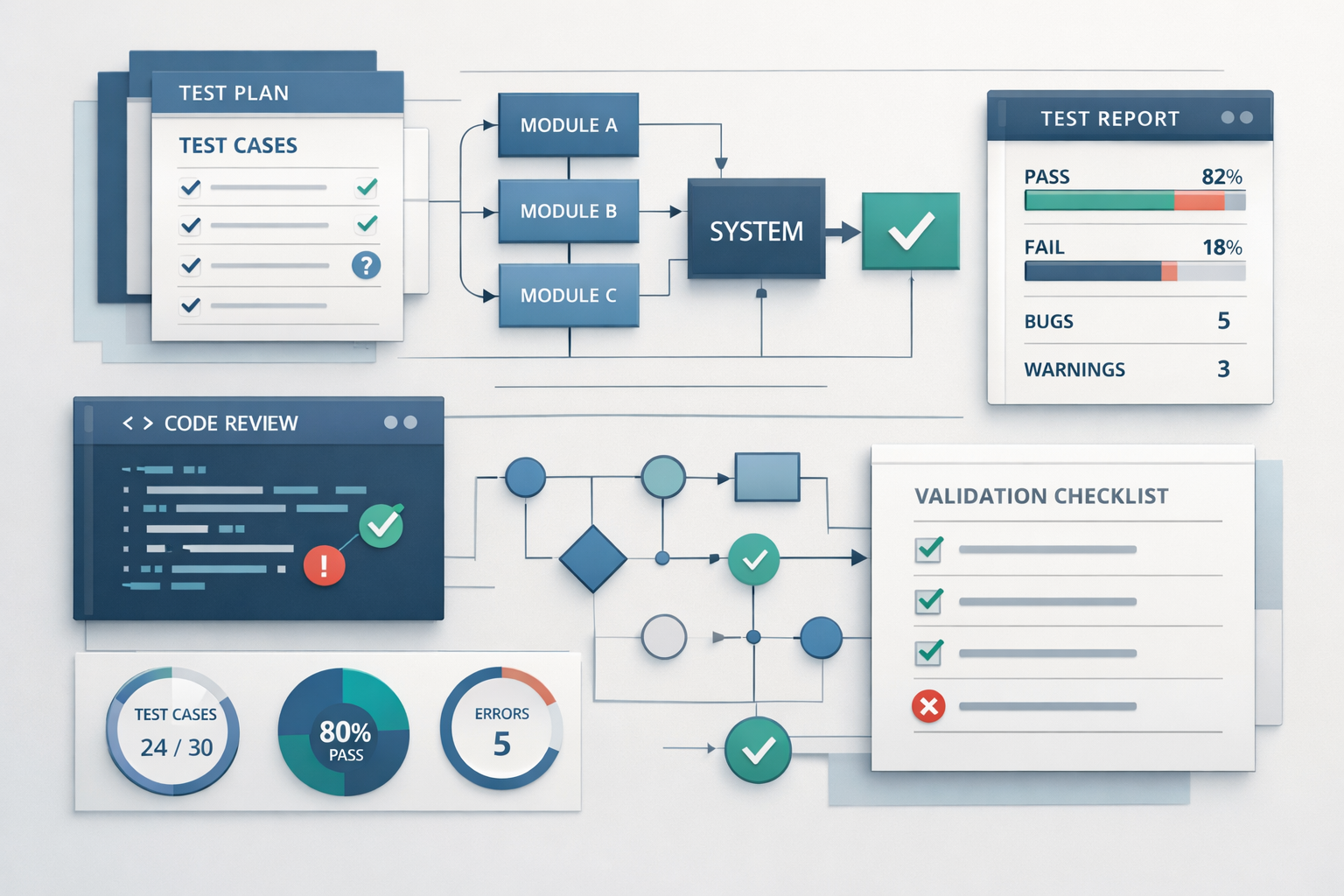
- Telling you what actually went wrong instead of just saying "test failed"
This sounds like science fiction, but it's not. It's happening right now, and teams that get it are shipping better software with a lot less stress.
How AI Is Actually Helping (Not Just Hyping)
Let me be straight with you: AI in testing isn't some vague future thing. It's here, and it's solving real problems.
Smart Test Creation
Here's the annoying part about traditional testing: you have to manually write out what you think your system should do. But your actual users probably do things you never imagined.
AI tools now watch your system in action and say, "Hey, I see users doing this with your API. We should test for that." Tools like Keploy capture what's actually happening and turn it into test cases automatically.
This saves your team from reinventing the wheel every time and catches edge cases that would've otherwise slipped through.
Tests That Fix Themselves
One of the biggest time-killers in testing? Maintaining tests after every tiny change. Your UI updates slightly, and suddenly half your tests are broken. Your API adds a new field, and you're spending hours fixing scripts.
Modern test automation tools now just handle this. They adapt to small changes automatically. You're not constantly firefighting failed tests. Instead, you're actually testing your software.
Getting Smart About Which Tests Matter
Running every test for every small code change is a waste of time and resources. Everyone knows this, but most teams do it anyway because the alternative seems scarier.
Now tools can actually figure out which tests you should run. They look at what changed and run only the tests that might actually catch a real problem. You get faster feedback without crossing your fingers and hoping you didn't miss something critical.
Understanding Why Things Fail
Debugging test failures is honestly one of the most frustrating parts of my day. You run a test, it fails, and you spend an hour digging through logs trying to figure out why.
Tools that include failure analysis can now look at patterns and basically tell you what broke. "Hey, this looks like a timeout issue in your database connection" or "This is related to the change you made yesterday." That's real value.
Learning and Getting Better Over Time
Here's what I really like about modern testing: it gets smarter as it goes.
Machine learning tools learn from your testing history. They spot patterns you'd miss. They notice which tests are flaky and unreliable. They watch for recurring issues. Most importantly, they suggest how you could test better.
Instead of testing being this static thing you set up once and forget about, it actually evolves. It gets better because it learns from what actually happens in your system.
Testing in a Data-Heavy World
If you're building anything modern, you're probably dealing with way more data than you used to. Testing with the same dataset over and over just doesn't cut it anymore.
New test automation tools handle this way better. They can test against massive, dynamic datasets. They validate that your system works with lots of different types of data, not just the one clean scenario you set up in your test environment.
This makes your tests way more realistic and gives you real confidence that things will work when actual users hit your system.
Testing Is Now Part of Your Development Process
The days of testing being something separate are gone. It's not tacked on at the end anymore.
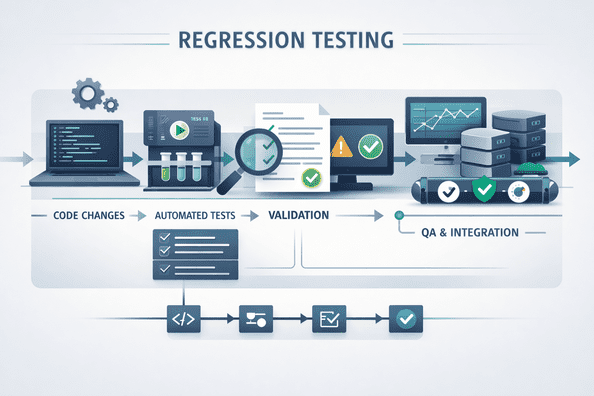
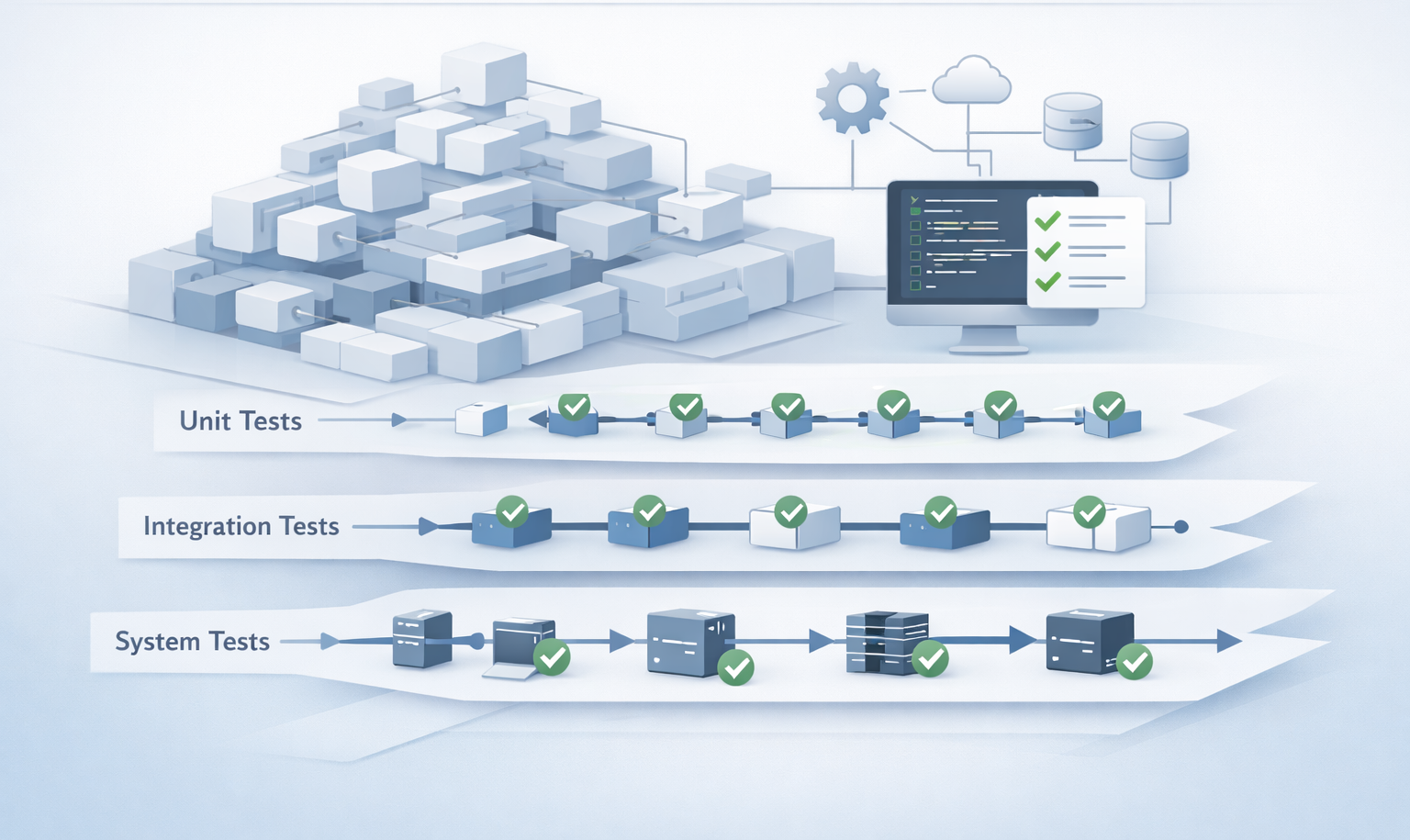
Good teams now have testing woven into their CI/CD pipelines. You push code and get test results in seconds. Your test results talk to your deployment system. Testing, development, and monitoring are all connected.
This means faster releases and way fewer surprises in production.
Let's Be Real About What Still Doesn't Work
I don't want to oversell this. Modern testing tools are genuinely better, but they're not magic.
Some real problems that teams still face:
- It's easy to just assume the tool is right and stop thinking critically about your tests
- AI gives you insights, but they're not always easy to understand or act on
- Setting up an intelligent testing system takes real work and expertise
- If your data is garbage, the tool's output will be garbage too (this one bites teams all the time)
The best results happen when you actually pay attention to what the tools are telling you, rather than just running them on autopilot.
What Teams Are Actually Seeing
The teams that have actually implemented this stuff are reporting real improvements:
- Less time spent on test maintenance. Seriously, this is huge. Instead of fixing tests, you're writing new ones.
- Faster feedback when something goes wrong. Hours of debugging becomes minutes.
- Tests that actually catch real problems, not just random failures
- Better alignment between what you're testing and what your users actually do
These improvements add up to more reliable releases and a lot less late-night panic.
How to Actually Do This Well
If you want to get better at testing in 2026, here's what actually matters:
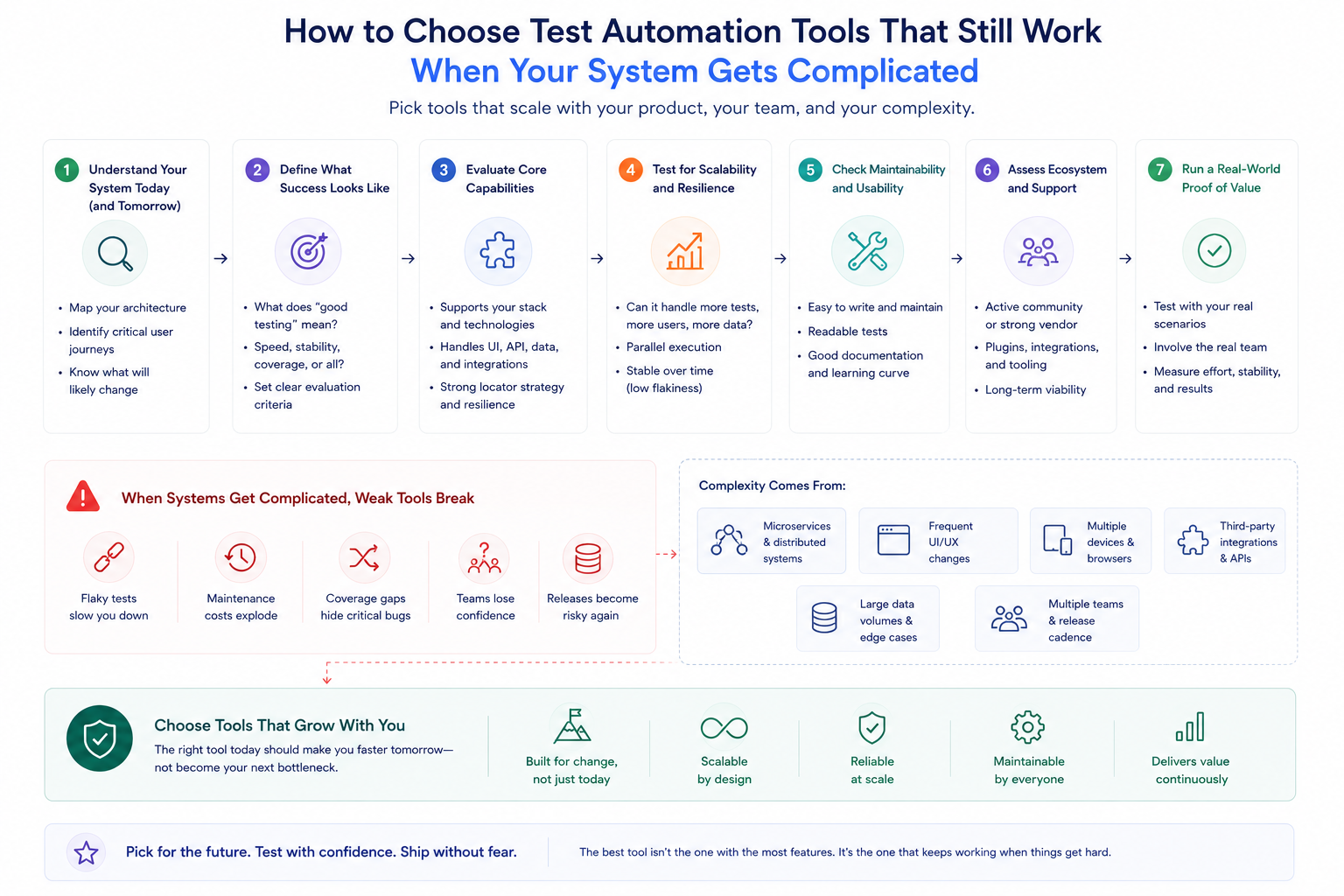
- Build for change instead of solely relying on stability. Your system will shift, so your tests should be flexible.
- Use tools that understand real system behavior, not just synthetic scenarios
- Make sure your tests are easy to maintain and scale
- Tie testing into your development workflow from day one, not as an afterthought
- Use AI and automation where they genuinely help, not just because they sound cool
The Bottom Line
Testing in 2026 isn't about automation anymore. It's about having systems that learn, adapt, and actually keep pace with your development.
AI and machine learning are changing how we test because they're solving real problems that humans can't keep up with. Teams that understand this and adapt are building more stable software with happier developers.
The future of testing isn't more scripts. It's smarter systems. And that future is already here.











.jpg)