 Sign up with Google
 Sign in with Zoho
The healthcare industry is continuously evolving, and with it, new career pathways are emerging for medical professionals. One such option gaining attention is the PG Diploma in Clinical Cosmetology, a program that focuses on non-surgical aesthetic treatments and skin care procedures.
This field lies at the intersection of medicine and aesthetics, offering opportunities to work in a more procedure-oriented and patient-focused environment.
What is Clinical Cosmetology?
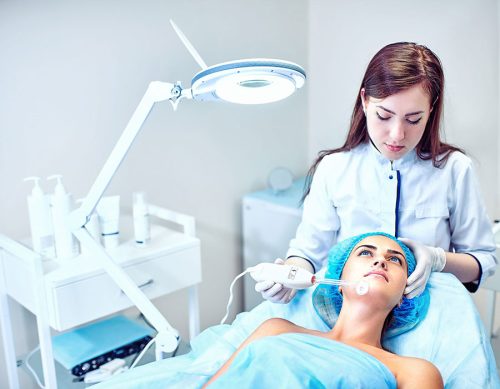
Clinical cosmetology involves medical-grade aesthetic treatments that aim to improve skin and hair conditions. Unlike general beauty services, these procedures are performed by trained professionals with a clinical background.
Common treatment areas include:
- Acne and scar management
- Pigmentation and uneven skin tone
- Hair-related concerns
- Anti-aging treatments
- Skin rejuvenation procedures
These treatments are typically non-invasive or minimally invasive, making them popular among patients seeking visible results with limited downtime.
About the PG Diploma in Clinical Cosmetology
The PG Diploma in Clinical Cosmetology is designed to provide practical knowledge and procedural skills required in aesthetic practice.
Key Learning Areas:
- Basics of skin anatomy and physiology
- Chemical peels and exfoliation methods
- Introduction to laser-based treatments
- Injectable procedures (basic overview)
- Patient consultation and safety guidelines
The course structure generally emphasizes hands-on exposure, which is essential for developing accuracy and confidence in performing procedures.
Why is This Field Growing?
Several factors contribute to the increasing interest in clinical cosmetology:
Changing Preferences
More individuals are choosing non-surgical treatments over traditional cosmetic surgeries.
Awareness and Accessibility
Information about aesthetic procedures is more accessible today, leading to increased acceptance.
Lifestyle Factors
Modern lifestyles contribute to skin and hair concerns, increasing demand for professional treatments.
Who Can Consider This Course?
The diploma is typically suitable for individuals with a medical or healthcare background, such as:
- Medical graduates
- Dental professionals
- Practitioners from alternative medicine systems
Eligibility may vary depending on the institution offering the program.
Career Opportunities
After completing a PG Diploma in Clinical Cosmetology, individuals may explore various career paths:
- Working in aesthetic or dermatology clinics
- Assisting experienced practitioners
- Integrating basic cosmetology services into existing practice
- Exploring opportunities in wellness centers
Career progression often depends on experience, skill development, and continuous learning.
Important Considerations Before Enrolling
Before choosing any course, it is advisable to evaluate:
- The level of practical training provided
- Availability of supervised sessions
- Infrastructure and equipment
- Faculty experience
Since cosmetology is a skill-based field, training quality plays a significant role in long-term outcomes.
Challenges in the Field
While the field offers opportunities, there are also challenges to be aware of:
- Building practical expertise requires time
- Patient expectations can be high
- Continuous learning is necessary due to evolving techniques
- Initial setup may require investment (for independent practice)
A realistic understanding of these factors helps in making an informed decision.
Long-Term Outlook
Clinical cosmetology is expected to remain a growing segment within healthcare, driven by technological advancements and increasing demand for aesthetic treatments.
Professionals who focus on ethical practice, skill enhancement, and patient safety are more likely to sustain long-term growth in this field.
Conclusion
The PG Diploma in Clinical Cosmetology offers a pathway into a modern area of medical practice that emphasizes procedures, patient interaction, and visible outcomes.
For individuals interested in combining clinical knowledge with aesthetic applications, it can be a viable and evolving career option, provided the focus remains on proper training and continuous improvement.



.jpg)