
 Sign up with Google
 Sign in with Zoho

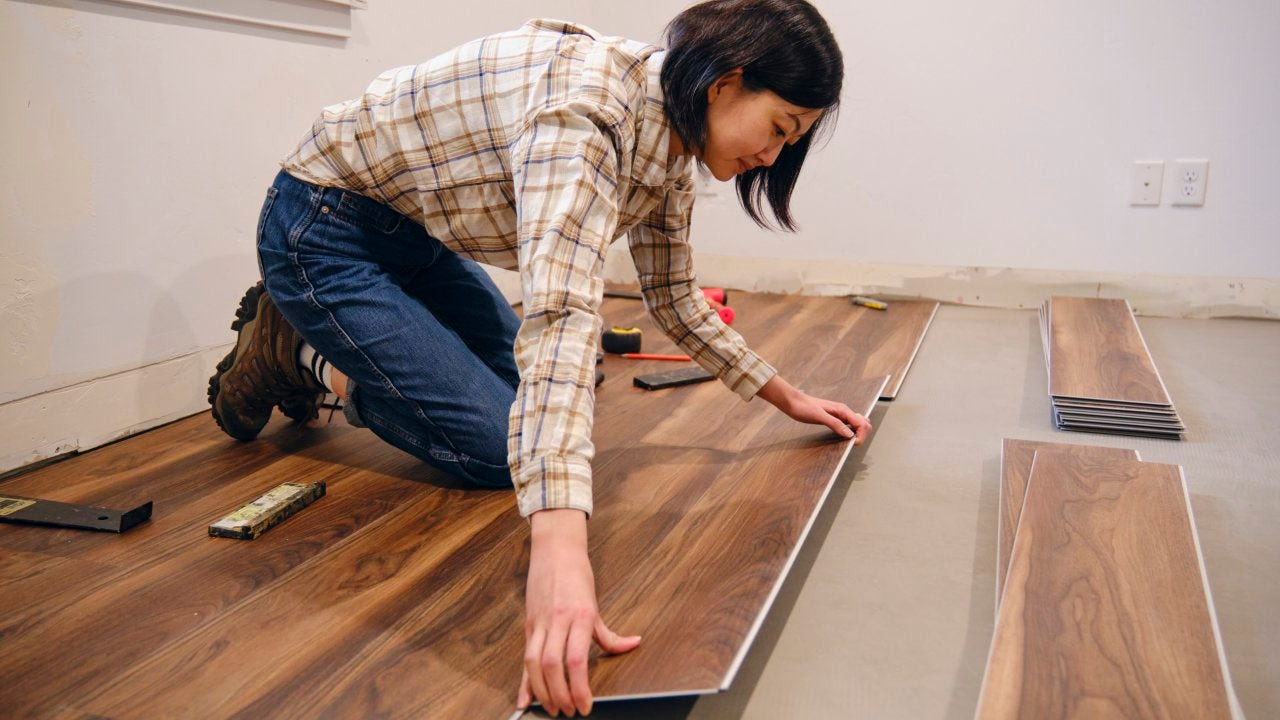
I have watched floors die in rental units. I have also watched them survive three tenancies, two dogs, and a tenant who cooked curry every night. The difference comes down to one thing: choosing the right product.
Wholesale laminate flooring offers both at scale. You buy more. You save more. You replace less.
The wear layer that actually matters
Skip the pretty brochure photos. Look at wear layer thickness first. AC3 rating works for bedrooms. AC4 or AC5 for hallways, kitchens, and living rooms. A thick wear layer resists scratches from chair legs and pet claws. It keeps the printed woodgrain visible after years of use.
AC4 is the sweet spot for most rentals. AC5 when you run student housing or pet-heavy units.
Core material decides everything
HDF cores are common. They work when humidity stays steady. SPC cores are rigid stone-plastic composite. They do not swell with water. WPC cores add cushion but still resist moisture.
Choose SPC for kitchens and bathrooms. Choose HDF for dry bedrooms if budget is tight.
Texture hides the truth of rental life
Glossy floors look great in photos. They show every scuff. Matte finishes with embossed grain hide wear. A pronounced texture masks small scratches. A smooth surface shows everything.
Test samples in natural light. Walk on them. Scrape with a key. Watch how marks appear.
Water resistance when tenants forget
A spilled drink is fine. A forgotten bath mat is not. Waterproof laminates exist. SPC cores are impervious. Use sealant at thresholds. Install water-shedding trims near entryways.
Tenants will not call you about a small leak. They will call when the floor buckles.
Installation mistakes that cost thousands
Level the subfloor perfectly. Remove soft underlay. Use vapour control where needed. Leave expansion gaps at skirting. Laminate moves with seasons. Small gaps prevent buckling.
Glue-down installation stays firm under heavy traffic. Floating installation is faster. Both work if done right.
Cleaning instructions tenants will actually follow
Keep it simple. Sweep daily. Damp mop weekly. Use manufacturer-approved cleaner. Never use a steam mop. It forces water into seams.
Provide a one-page care sheet with every tenancy. Tenants follow clear instructions. You get fewer repair calls.
Spotting junk at wholesale prices
Low price does not mean good value. Check wear layer thickness. Ask for AC rating. Inspect core density. Request warranty documentation. A five-year surface warranty is not the same as a 20-year commercial warranty.
Look at plank patterns. Cheap laminates repeat the same grain every 3-4 planks. Quality products show variation. Edges should be crisp. If the sample chips at the edge it will fail quickly.
Real leather on laminate floors
Leather furniture ages differently in seasons. Summer leather feels cool and taut. Winter leather tightens and smells warm. Full-grain leather develops patina. Bonded leather flakes and smells like plastic.
On laminate, heavy leather sofas leave marks. Protect legs with felt pads. Move furniture carefully. These indentations are part of the story. They are not failure.
Tanning and grain: spotting real from fake
Vegetable-tanned hides patina richly. Chromium-tanned hides stay uniform. Full-grain retains natural grain. Top-grain is sanded for uniformity. Corrected grain is buffed and embossed.
Bonded leather is scrap glued to media. It peels. Check stitch lines. Real leather breathes. Bonded leather flakes along seams. Real hide smells earthy when warm. Bonded leather smells chemical.
Lifecycle cost beats upfront price
Upfront cost is not the whole story. Calculate replacement frequency. Add cleaning and repair time. Cheap floor lasting five years costs more than robust floor lasting 15.
Model downtime. A floor replacement closes units for days. That cost is avoidable with better initial choices.
An installation checklist for landlords
- Confirm AC rating and wear layer thickness
- Choose core type: HDF, SPC, or WPC
- Test samples with scratch test
- Level substrate completely
- Use vapour barrier where required
- Leave expansion gaps and fit trims
- Provide tenant care instructions
- Inspect at three months and twelve months











.jpg)